
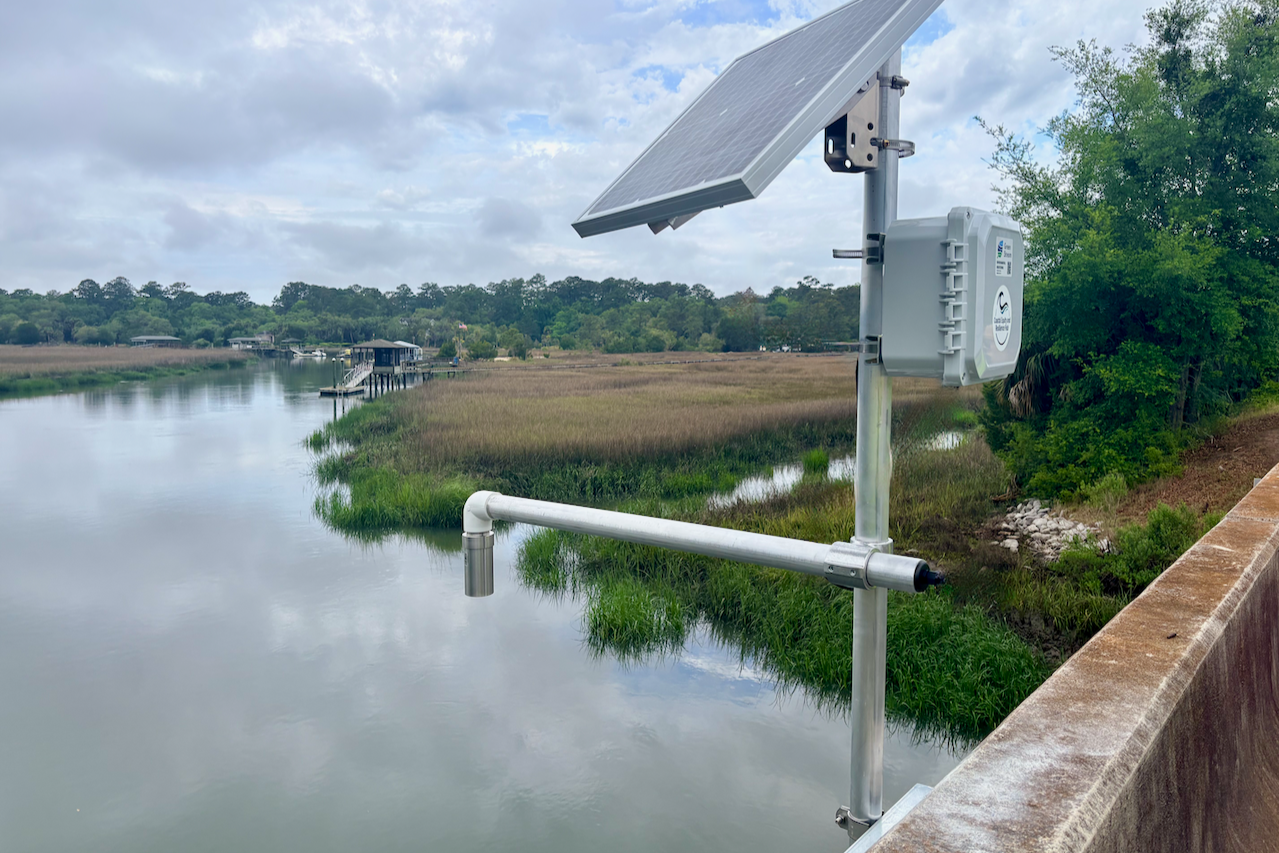
Four Strategies for Protecting Your Environmental Monitoring Equipment
Flood gauges, precipitation gauges, and weather stations are critical infrastructure — and like any equipment in the field, they're exposed to weather, wear, and the occasional human factor (curiosity, opportunism, or someone eyeing a solar panel).
Here are four practical strategies to keep your equipment online and your data flowing.
1. Smart Placement
Avoid high-traffic areas, known hangout spots, or locations with existing signs of wear and interference
Mount equipment up high, in restricted areas, or in less obvious positions where possible
Aim for low visibility from public pathways without sacrificing safe maintenance access
2. Durable, High-Quality Materials
Use hard weatherproof ABS plastic, stainless steel, and heavy-duty hardware
Install tamper-resistant screws and quality locks
Weld down high-value components like solar panels where feasible
Choose neutral colors to help equipment blend into its surroundings
3. Community Partnership
Meet with nearby residents, students, or employees to explain the equipment's purpose — and clarify it's environmental monitoring, not surveillance
Invite the community to informally "adopt" the gauge and report any concerns
Post a simple label on the equipment: "Property of [Organization]. This gauge provides vital early flood warning for our community — please do not touch."
4. Preparedness and Insurance
Keep spare parts and backup units on hand for fast turnaround after any damage or loss
Carry property insurance on high-value gauges you can't afford to replace out of pocket
A little planning up front goes a long way toward keeping your monitoring network reliable when your community needs it most.